
A client asked me a question I did not enjoy
He looked at a website I had just finished and said: did you make this in Claude Code?
He was right, and that was the problem. The work was fine. It just looked like everything else being built right now, and he could see it from across the room.
Hephaestus is what I built so nobody asks me that again.
The fingerprint has
five layers
Almost every AI built site carries all five. Break two and it stops reading as machine made.
The same five fonts
Inter, Playfair Display, DM Sans, Space Grotesk, Manrope. Any one of them gives it away on its own.
The same section order
Hero, logo bar, three feature cards, testimonials, pricing table, FAQ, closing call to action. Every time, in that order.
The same palette
Cream with maroon. Navy with gold. Sage with ivory. There are about five, and a machine picks one of them.
The same corners and shadows
Fourteen pixel radius, a soft drop shadow, and the icon set everyone uses.
Nothing that belongs to you
No mechanic, no illustration, nothing on the page that could only be your brand.
Seven steps before a line of code
It does not start in the editor. It starts by looking at things, in this order, and the order is the point.
It looks at five competitors
Their fonts, their palette, their layout. Whatever four of the five share is now off limits to you, so you sit beside them without disappearing into them.
It builds a moodboard from real design sources
Eight to ten saved references from curated galleries and type foundries. Never from template marketplaces, because those are where the fingerprint comes from.
It samples your colours from your photographs
Your actual pictures of your actual place. This one step kills the stock palette, because a real room never produces one.
It breaks one convention on purpose
One. Not three. Three looks like a student portfolio, one looks like a decision, and you should be able to point at it within three seconds.
Built with the same seven steps
Three sites. Three studios.
Nothing here shares a font, a palette or a layout with the other two. That is the point of the protocol. The method repeats, the result does not.
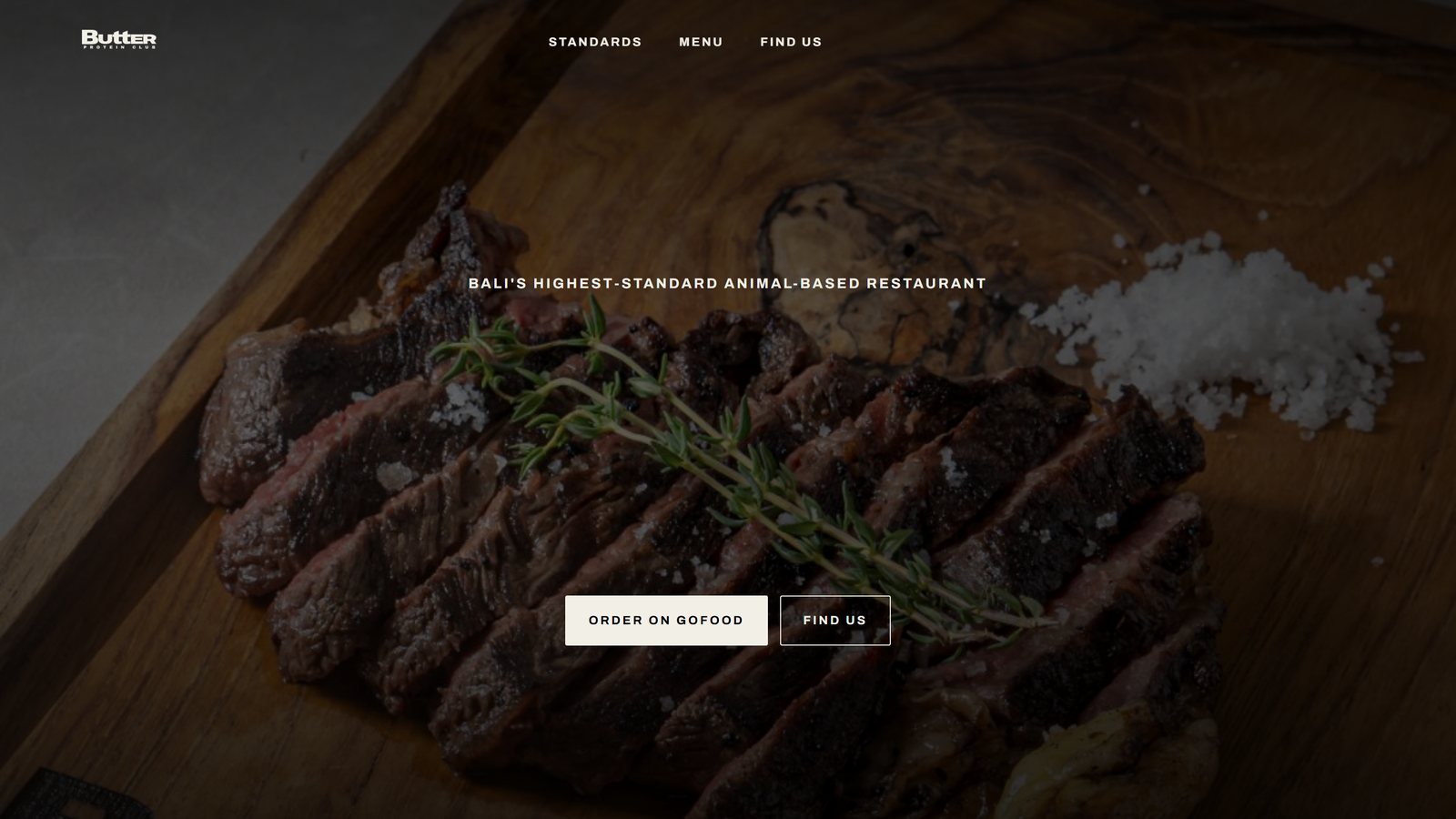
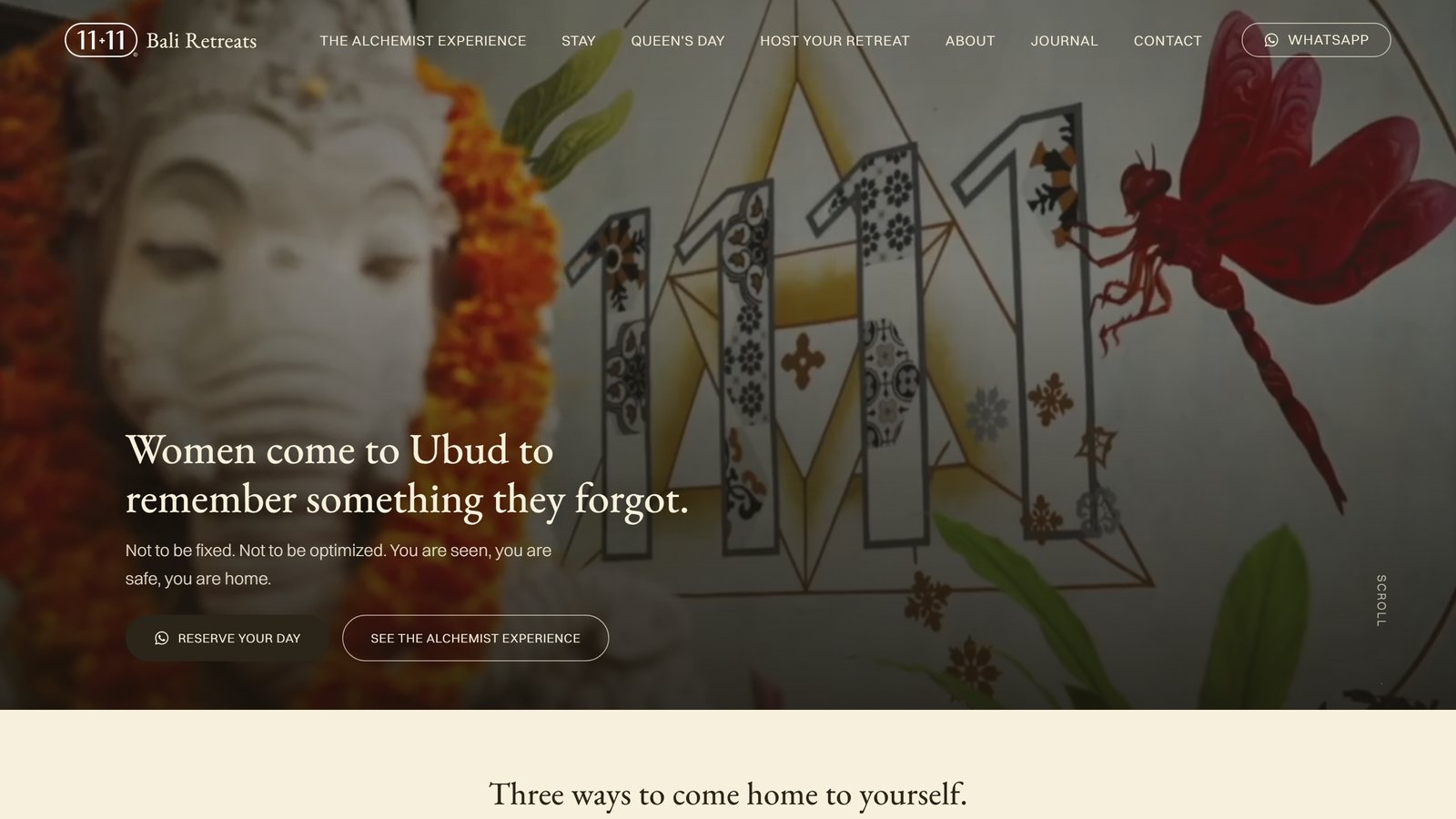
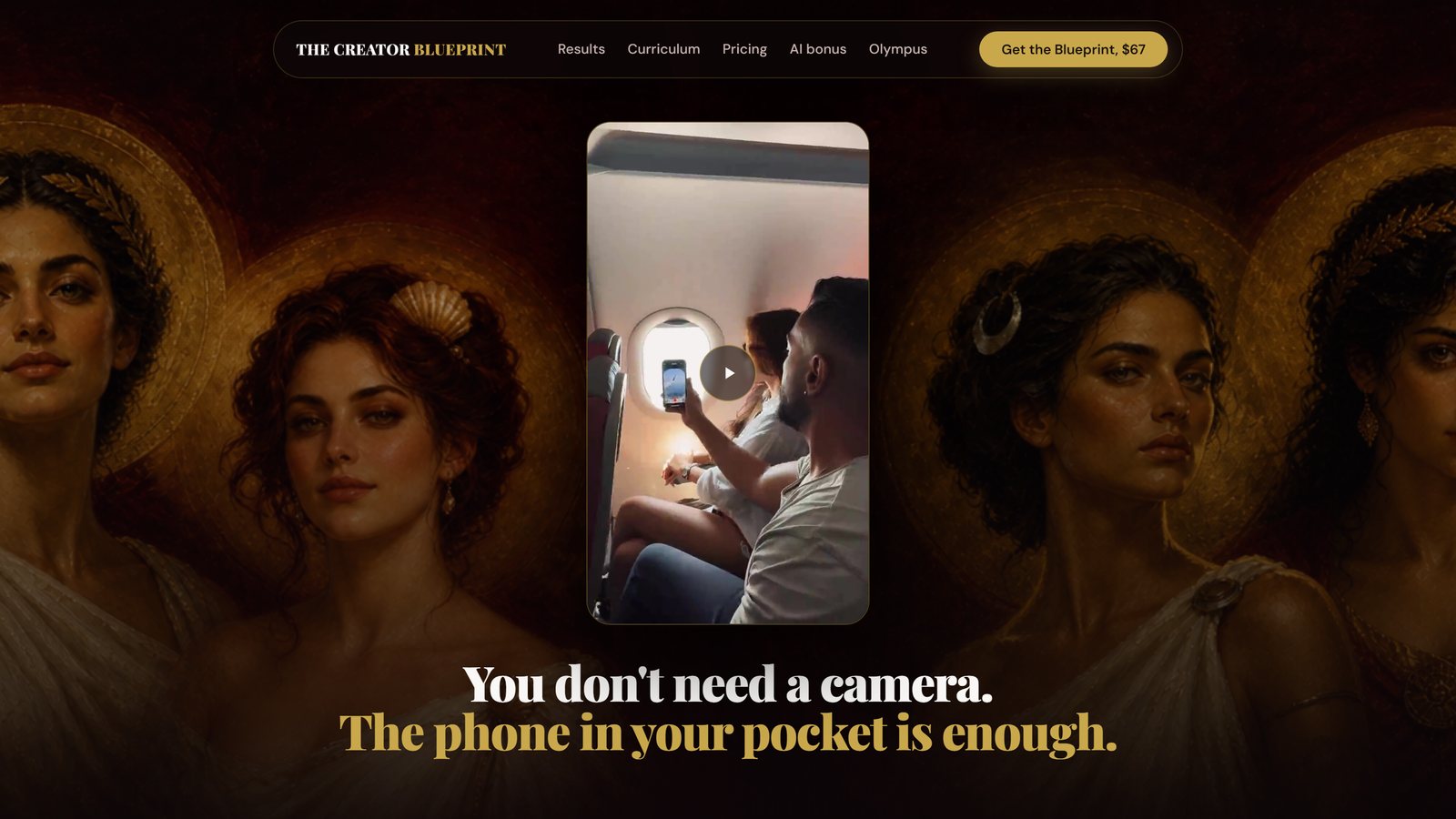
Put these three side by side and nothing suggests one person built them. That is what the seven steps are for.
It runs a written method, not taste
The protocol is a file inside your download. You can open it and read every rule it works from, and change it if you disagree.
That matters because taste is not transferable and a method is. You are not buying my eye. You are buying the seven things I do before I trust my eye.
It also audits sites it did not build. Point it at your current site, or at a competitor, and it tells you which of the five layers are present and what to change first.
What it will not do
It will not invent your brand. If you cannot say what you sell and who buys it, it stops and asks rather than filling the gap with something plausible.
It will not build a palette without your photographs. That is the step doing the most work, so it refuses to skip it. Ten pictures of the real thing is enough.
It will not make you a designer. It stops the machine reaching for its average, which is most of the distance on most projects. That is the honest size of it.
What it costs to run
Hephaestus is yours once you buy it. Here is everything else, so there are no surprises.
Claude Code, from $20 a month. It runs inside it and there is no other way to run it. That goes to Anthropic, not to me.
Fonts, whatever you choose. None are included, on purpose. A font licence does not transfer with a product like this, and free for personal use, free for commercial use, and free to embed in a client site are three different permissions. It tells you which fonts suit the brief and where to get them, and you confirm the licence covers what you are doing.
A free design engine, optional. There is an open source engine it can lean on. It is not bundled because it belongs to someone else. It works fine without it.
Setting it up
Unzip your download
A short guide and a folder called Hephaestus are inside it.
Open the folder in Claude Code
Then type set me up. That is the whole command.
Point it at your photographs
It asks a handful of questions about the business and where your pictures live, then writes your settings file for you.